Thinking about buying in Adams Morgan but worried about the monthly payment? House hacking can help you live where you love while offsetting costs with steady rental income. In a neighborhood full of classic rowhouses and high rental demand, you have options if you plan well. In this starter guide, you’ll learn practical strategies, financing basics, and DC rules so you can move forward with confidence. Let’s dive in.
Why Adams Morgan works
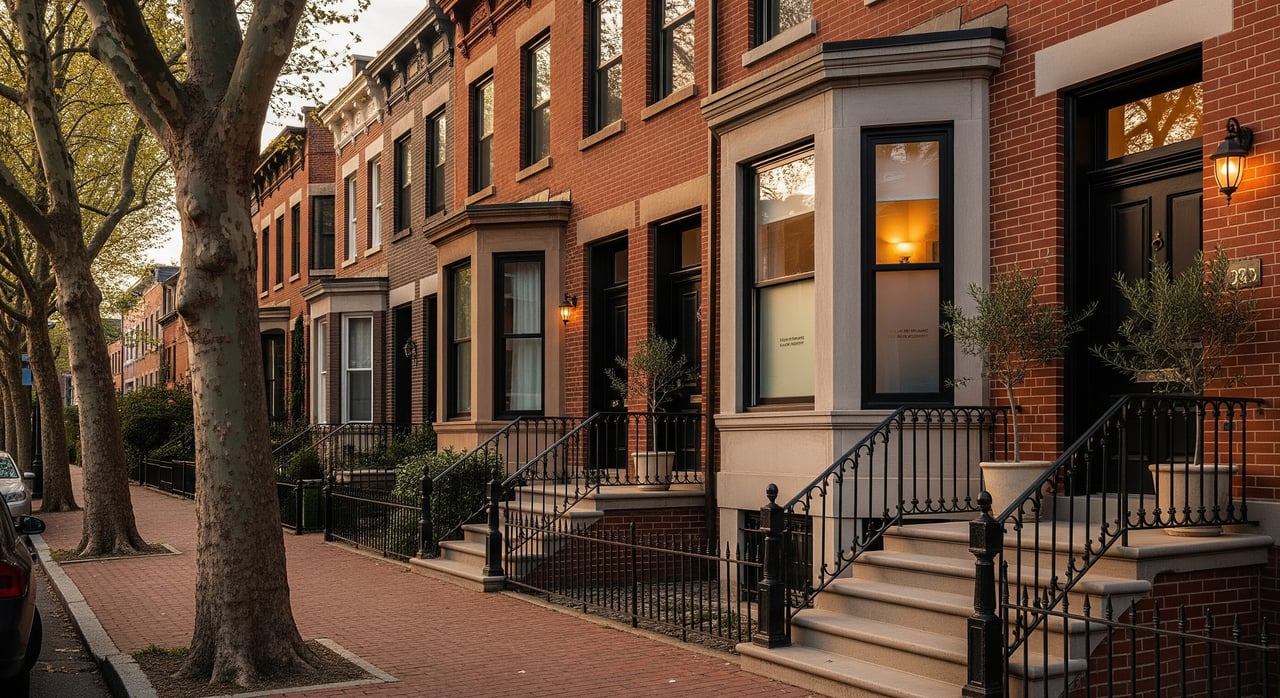
Adams Morgan is a central, walkable DC neighborhood with rowhouses, converted flats, and small condo buildings. That mix creates natural opportunities to rent a lower-level unit or live in one unit of a small multi-family building. The area also draws renters because of its restaurants, nightlife, and transit access, which helps support demand. Many homes are older, so plan for upgrades to meet building code and to make a rental unit comfortable and safe.
House-hacking strategies
Rent a lower-level unit
Many two- and three-story rowhouses include basements or garden-level spaces that can be rented to one household. This setup keeps your living space separate while generating income. Focus on ceiling height, safe egress, moisture control, and whether utilities are separate or shared. Make sure the space meets local habitability standards before you list it.
Create an accessory apartment
You can convert part of a rowhouse into a legal accessory dwelling unit, often in the basement. This gives you control over the layout, soundproofing, and a separate entrance, which can also add value. You will need to confirm zoning and permitting and may need separate electric and HVAC. A clear plan and licensed contractors will make the process smoother.
Live in a 2–4 unit building
Buying a small multi-family building and occupying one unit is a common path. It offers multiple income streams and shared maintenance across units. Financing and reserves can be different from a single-family purchase, and the management load is higher. Screen tenants carefully and set up systems for repairs and communication.
House hack in a condo
If you buy a condo, you may be able to rent a room or the unit depending on the building’s rules. Many condos are turnkey with lower maintenance needs. Always review bylaws for rental caps, minimum lease terms, and any approval processes. Association rules can affect your plan more than the market does.
On-the-ground issues to plan for
- Noise and privacy: prioritize separate entrances and soundproofing.
- Utilities: separate meters help with billing and clarity.
- Parking: on-street parking is limited; set clear expectations with tenants.
- Property condition: older homes often need upgrades to meet code for rental use.
Financing basics
First-time buyers often use FHA, conventional, VA, or local portfolio loans for owner-occupied 1–4 unit properties. These programs have occupancy requirements, debt-to-income rules, and different down payment and reserve needs. Many lenders will consider rental income for qualifying if you provide solid documentation like leases or market rent surveys. Appraisals and underwriting will also check that any rental unit is legal and habitable.
Practical tips:
- Get preapproved with a lender who understands owner-occupied multi-unit financing in DC.
- Document realistic projected rents with local comparables or rent schedules.
- Expect scrutiny of any unpermitted or informal unit and plan for required work.
- If renovations are needed to bring a unit to code, discuss renovation-friendly loan options early.
DC legal and permits
In DC, plan ahead for zoning, permits, and rental rules. Key agencies include the DC Department of Consumer and Regulatory Affairs, the DC Office of Zoning, the DC Department of Buildings, the DC Department of Housing and Community Development, and the DC Office of the Tenant Advocate. You should also check the DC Office of Tax and Revenue for property classification and potential tax implications.
Make a lower unit legal
- Confirm your zoning allows an accessory apartment or separate unit.
- Verify whether the space already has permits or a certificate of occupancy.
- If not, consult the permitting office about the process to legalize an ADU.
- Pull building, electrical, and plumbing permits with licensed contractors.
- Meet egress, fire separation, and detector requirements, then schedule inspections.
- Secure final approvals before advertising a rental.
Renting rules to know
- Register your rental and comply with DC housing code requirements.
- Provide required lead-based paint disclosures for pre-1978 housing and follow rules for units with young children.
- Use a DC-compliant lease and follow local rules on screening, deposits, and timelines for returns.
- If buying a condo, confirm bylaws on rentals, lease length, and any approval steps.
Taxes and management
Rental income is taxable at the federal level and in DC. Track income and deductible expenses such as mortgage interest, property taxes, repairs, and depreciation. Property tax classification can differ for owner-occupants versus investors, so confirm how your home will be classified.
Your insurance may need to shift from a standard homeowner policy to an owner-occupied policy with a landlord endorsement. Consider liability coverage and protection for loss of rental income. Build a simple operating plan for tenant screening, leases, maintenance requests, and reserves for repairs and vacancies.
Step-by-step plan
Before you make an offer
- Target property types that fit your plan: rowhouse with a legal lower unit, 2–4 unit, or a condo that permits renting.
- Preapprove with a lender experienced in owner-occupied multi-unit loans.
- Ask for permit history, certificates of occupancy, and seller disclosures on any existing unit.
- For condos, request and review bylaws and rental rules early.
During due diligence
- Hire an inspector familiar with older DC homes, moisture control, and egress.
- Verify legal status of the rental space with the permitting office.
- Get contractor estimates to bring a unit to code if needed.
- Consult a real estate attorney on tenant leases and DC protections.
- Run a conservative cash-flow plan including vacancy, repairs, insurance, and taxes.
After closing
- Apply for required permits and inspections, then obtain a certificate of occupancy.
- Update insurance for an owner-occupant with a rental unit.
- Use a DC-compliant lease and a fair, legal screening process.
Is house hacking right for you?
House hacking in Adams Morgan can reduce your housing costs and help you build equity in a high-demand neighborhood. It also requires careful planning, clear expectations, and respect for DC permitting and tenant rules. If you value location and long-term wealth building and are comfortable managing a unit, it can be a strong fit. If you prefer a hands-off lifestyle, consider a turnkey space or professional management support.
Ready to map your options, from legal lower units to small multi-family? The Rebecca Weiner Team can help you identify the right properties, review condo and permit histories, and connect you with trusted lenders, attorneys, contractors, and property managers. Let’s connect to schedule a free home consultation and custom valuation.
FAQs
Can I use rental income to qualify for a mortgage in DC?
- Often yes, but lenders vary. They may require leases, tax returns, or market rent documentation. Work with a lender experienced in owner-occupied multi-unit loans.
Are basement apartments legal in Adams Morgan?
- They can be if zoning allows and the unit meets building-code standards with proper permits and a certificate of occupancy. Always verify legal status before buying or renting.
Do DC condo associations allow rentals?
- Policies differ. Many associations set rental caps, require minimum lease terms, or need board approval and screening. Review bylaws and rules before you make an offer.
What happens if the property already has tenants in place?
- Existing leases and tenancies usually transfer with the sale. DC has strong tenant protections, so review documents with a real estate attorney before you close.
Is house hacking worth it in Adams Morgan with renovation needs?
- It can be, but results depend on price, the cost to legalize or upgrade the unit, expected rents, and ongoing management. Run conservative numbers that include vacancy, repairs, and licensing costs.
What DC permits and approvals do I need to rent a lower unit?
- Plan for building and trades permits, inspections for egress and fire safety, and a certificate of occupancy. You may also need to register the unit as a rental and follow lead-based paint rules.
