Thinking about selling your Bethesda home but not sure where to start? In this market, buyers often pay a premium for turnkey condition and a lifestyle that feels easy from day one. With a smart plan, you can avoid last‑minute stress, meet legal requirements, and launch with confident, polished marketing. Here is a clear, Bethesda‑specific roadmap that covers timing, must‑do prep, and how to present your home for the strongest offers. Let’s dive in.
Understand today’s Bethesda market
Public market summaries for the 12 months ending in late 2025 to early 2026 show a median sold price in roughly the $1.29 million to $1.4 million range for Bethesda sales. Single‑family homes often sell above that band, while many condos transact below it. In this upper‑mid price tier, buyers tend to prioritize condition, walkability to downtown and Metro, and high‑quality finishes. Well‑executed presentation and targeted distribution can meaningfully influence buyer interest and time to contract.
Know your legal musts in MD and MoCo
Maryland disclosure or disclaimer
For most 1 to 4 unit residential sales, you must give buyers either the Maryland Residential Property Disclosure Statement or the Residential Property Disclaimer Statement. Even if you choose the disclaimer, you must disclose any latent defects you actually know about that pose a health or safety risk. Timing matters. These forms must be delivered before the buyer signs, or the buyer may have rescission rights. Review the statute for details in Maryland Real Property §10‑702.
Federal lead‑paint disclosures for pre‑1978 homes
If your home was built before 1978, federal law requires you to provide buyers with the EPA and HUD lead‑hazard information pamphlet and to disclose any known lead‑based paint hazards. Buyers are entitled to a 10‑day period to obtain a lead risk assessment or inspection unless they waive it in writing. See the EPA’s guidance on the Lead‑Based Paint Disclosure Rule.
Montgomery County radon testing rule
Montgomery County requires a radon test for most single‑family home sales, including detached houses and townhouses that are not in a condominium regime. The test must be performed no more than one year prior to settlement. You must either perform the test or allow the buyer to do so, and both parties must receive the results. Build this into your timeline using the County’s guidance on radon and home sales.
Licensed home inspectors in Maryland
If you order a pre‑listing inspection or expect a buyer’s inspection, know that paid home inspections in Maryland must be performed by a licensed inspector under the Maryland Commission of Real Estate Appraisers and Home Inspectors. You can confirm licensing standards here: Maryland inspector licensing requirements.
Plan a 6‑week prep timeline
Use this practical schedule if you have about 4 to 8 weeks before launch. Adjust as needed for scope and season.
Week −6 to −5
- Meet with your listing agent to set goals, timing, and a pricing framework.
- Gather service records, utility bills, tax info, and HOA or condo contact details.
- Consider a pre‑list inspection by a Maryland‑licensed inspector to surface issues early. See state licensing standards.
Week −5 to −4
- Decide scope: quick cosmetic work versus larger items that may need permits.
- If you plan structural, major electrical, HVAC, or exterior changes, start permits now through Montgomery County DPS homeowner permits.
- Schedule the County‑required radon test for single‑family sales. Keep in mind the 1‑year timing to settlement. See County radon guidance.
Week −4 to −2
- Execute cosmetic work: paint, floor refinishing, lighting swaps, small bath or kitchen refreshes, and light landscaping.
- Stage key rooms to highlight flow and natural light.
- Book professional photography and a 3D or video tour once staging is set.
Week −2 to 0
- Deep clean, declutter, and complete curb appeal touches.
- Finalize list price and showing strategy with your agent.
- Prepare your disclosure or disclaimer form and, for pre‑1978 homes, include the federal lead pamphlet. See Maryland §10‑702 and the EPA rule.
- Launch coming soon, private, or full MLS marketing per the plan.
Decide what to fix vs. disclose
Safety and systems first
Address safety items and key systems before you list. Electrical hazards, major plumbing leaks, HVAC failures, roof leaks, and structural concerns are common deal disruptors. Some may qualify as latent defects under Maryland law and must be disclosed if known. Proactive repairs reduce renegotiation risk and appraisal delays. Review §10‑702 and ensure any inspection work uses a Maryland‑licensed inspector.
Plan permit‑sensitive projects early
Structural work, significant electrical or whole‑house HVAC changes, additions, some decks and exterior projects, solar, pools, and certain roofing often require permits and County inspections. Start with Montgomery County’s DPS homeowner permits to understand submittals and timelines. Permit schedules can impact your list date, so build in buffer.
Quick, high‑impact cosmetic wins
Fresh interior paint, small lighting upgrades, tight landscaping, grout touch‑ups, and targeted staging usually deliver the best near‑term return. The National Association of Realtors reports that agents frequently see staging reduce time on market and, in some cases, increase offers by 1 to 10 percent. See the NAR summary of staging impacts in the Profile of Home Staging.
Elevate presentation and launch strategy
Staging, photos, and virtual tours
Buyers start online. High‑quality photography, a floor plan, and a 3D or video tour help serious buyers pre‑qualify and drive showing requests. Staging clarifies how spaces live and can help your listing stand out among similarly priced homes. The NAR’s staging findings support the investment for faster, stronger offers.
Compass Concierge and timing tools
If you want to improve your home without large upfront costs, Compass Concierge can front the cost of qualified pre‑market improvements, then you repay at closing, subject to program terms. Learn how it works and what projects may qualify on the Compass Concierge overview. Your agent can also use Private Exclusives or Coming Soon options to control timing while work finishes, then move to full MLS launch when the home is truly market‑ready.
Condo sellers in downtown Bethesda
Order the resale packet early
For most Maryland condominium resales, the seller must furnish governing documents and the association must provide a resale certificate that outlines dues, unpaid assessments, known capital projects, litigation, violations, and other required items. Timing rules and purchaser protections apply, and the documents can impact contract enforceability. Request the packet as soon as you sign the listing agreement. See Maryland case law discussion of resale certificate obligations and protections in MRA Property Mgmt. v. Armstrong.
Review assessments, reserves, and insurance
When your packet arrives, review reserve funding, any special assessments, and insurance deductibles. These items can affect buyer budgets and lender underwriting. If a capital project is pending, be transparent about timing and costs per the resale documents.
Quick room‑by‑room checklist
Exterior and entry
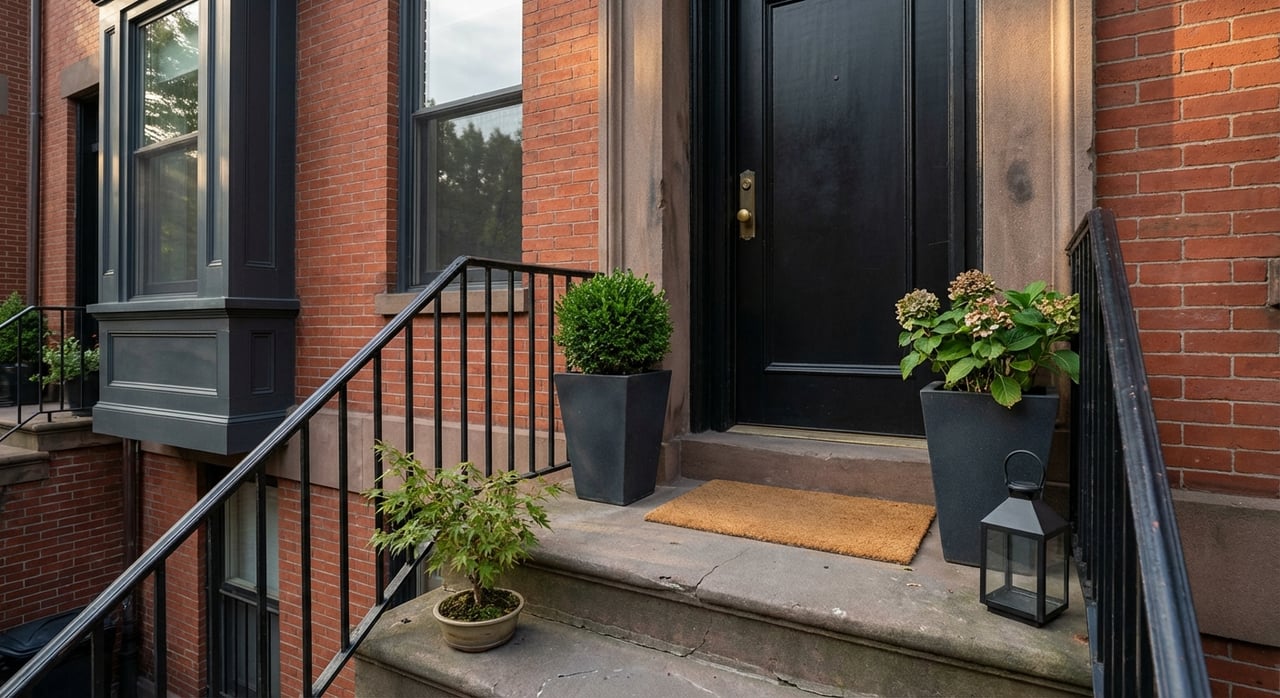
- Power wash walks and steps. Touch up paint on doors and trim.
- Refresh mulch, edge beds, and add simple planters.
- Ensure numbers and exterior lighting are visible and working.
Living and dining
- Declutter surfaces and remove oversized furniture to improve flow.
- Neutralize bold paint colors. Add warm, cohesive textiles.
- Stage a clear seating area that frames natural light.
Kitchen
- Recaulk and regrout as needed. Update hardware or a few fixtures.
- Clear counters. Style with a few clean, natural elements.
- Consider a professional clean and, if needed, a minor backsplash refresh.
Bathrooms
- Recaulk tubs and showers. Replace tired mirrors or lighting.
- Use fresh white towels and simple accessories for a hotel‑clean look.
Bedrooms and office
- Aim for calm and bright. Minimize furniture to show size.
- Stage a work‑from‑home nook if space allows.
Systems and documents
- Service HVAC and replace filters. Test smoke and CO detectors.
- Gather warranties, service receipts, condo or HOA documents.
- Schedule your radon test if required and keep the report handy. See County guidance.
Launch with confidence
A well‑planned Bethesda sale pairs thoughtful repairs and presentation with strict attention to Maryland and Montgomery County requirements. Focus on safety and systems, manage any permit‑sensitive work early, and invest in staging and top‑tier visuals. With the right preparation and a tuned launch strategy, you set the stage for a smooth sale and strong negotiations.
Ready to map out your custom plan? The Rebecca Weiner Team brings neighborhood insight, polished marketing, and a hands‑on process to help you sell with confidence.
FAQs
What is the radon testing rule for Bethesda sellers?
- Montgomery County requires a radon test for most single‑family home and non‑condo townhouse sales, performed no more than one year before settlement, with results shared with both parties. See the County’s radon guidance.
What does Maryland’s disclosure vs. disclaimer mean?
- You must deliver either a disclosure or an as‑is disclaimer before the buyer signs, and you must still disclose known latent defects that pose health or safety risks. See §10‑702.
How far in advance should I start prepping?
- If possible, start 6 weeks out. That gives you time to decide scope, pull permits for any larger work, complete cosmetic updates, schedule a radon test if required, and prepare disclosures.
Do I need permits for small projects before listing?
- Many cosmetic updates do not require permits, but structural changes, major electrical or HVAC work, some decks, and certain exterior projects typically do. Check Montgomery County DPS permits early.
What is a condo resale certificate and when should I order it?
- For most Maryland condo resales, the association must provide a resale certificate with required disclosures. Order it as soon as you sign the listing so you do not delay contract timelines. See the case law discussion here.
Can Compass Concierge help fund prep work?
- Yes. For qualified projects, Compass Concierge can front costs for improvements and you repay at closing, subject to program terms. Review details on the Compass Concierge overview.
