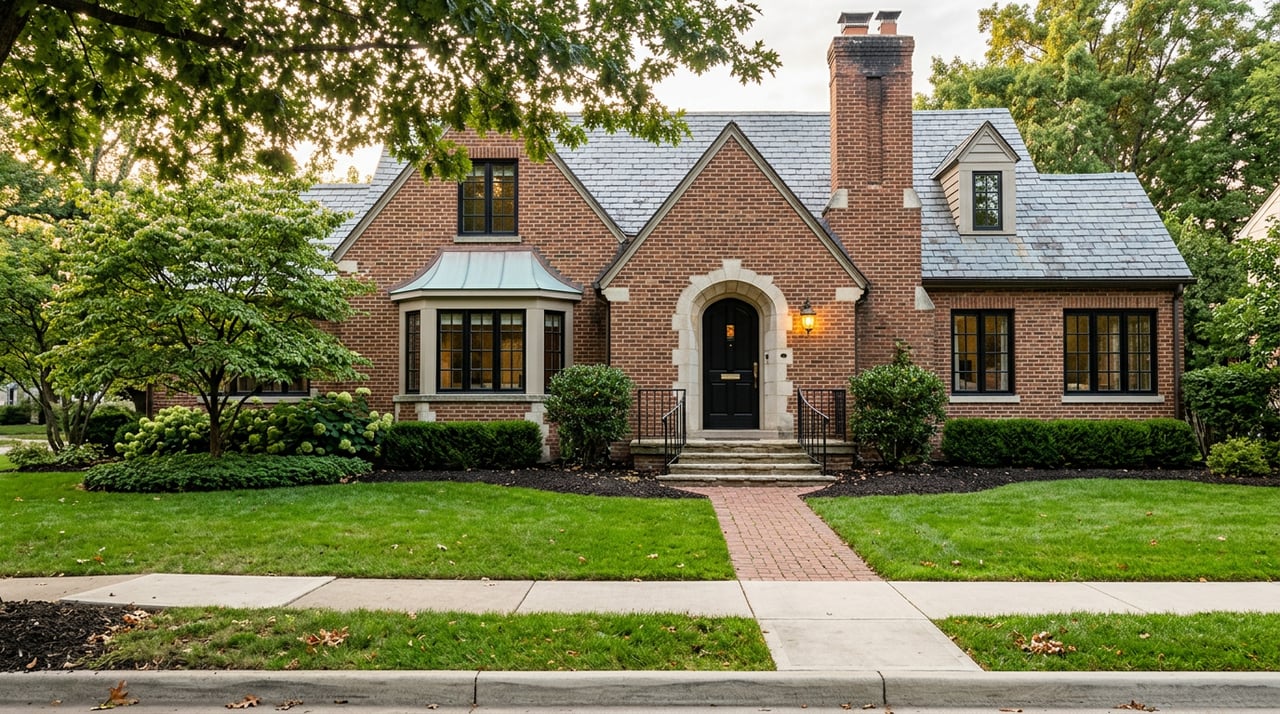
Craving leafy streets, classic architecture, and a neighborhood main street where you can run daily errands without getting in the car? Cleveland Park gives you that calm, residential feel with Red Line convenience and easy access to Rock Creek Park. If you are comparing close-in D.C. neighborhoods, this guide will help you understand Cleveland Park’s architecture, housing options, parks, and what daily life actually looks like. You will also learn how pricing works here, how the historic district affects renovations, and the basics of schools and commuting. Let’s dive in.
Where it is and why it feels historic
Cleveland Park sits in Northwest Washington, D.C., and grew as a late 19th to early 20th century streetcar suburb. The area is formally recognized as the Cleveland Park Historic District, listed on the National Register of Historic Places in 1987. The historic district covers roughly the area bounded by Tilden Street, Connecticut Avenue, Klingle Road, and Wisconsin Avenue. You can explore the neighborhood’s background in the Cleveland Park Historical Society’s concise overview of its history and boundaries.
This historic designation helps explain why so many original homes and streetscapes remain intact. Side streets are tree lined, with architect-designed homes that display thoughtful craftsmanship. Closer to the commercial spine on Connecticut Avenue, you will find a cluster of small apartment buildings and co-ops that add variety to the housing mix.
Signature architecture you notice on every walk
If you love architecture, Cleveland Park rewards casual strolls. Common styles include Queen Anne and Victorian, Colonial Revival, Tudor Revival, Craftsman and Bungalow, along with early 20th century Art Deco apartment buildings. The variety is part of the neighborhood’s charm and is well documented by the Cleveland Park Historical Society.
A few landmarks stand out. The Art Deco Uptown Theater building on Connecticut Avenue is a local icon that anchors the corridor’s look and feel. You can read more about the building’s design and local role on the Uptown Theater page. Nearby, the historic Rosedale house and grounds and garden-style complexes like Sedgwick Gardens add depth to the area’s architectural story. The neighborhood also includes unique one-off homes, such as the William L. Slayton House designed by I. M. Pei, which underline just how architecturally rich this pocket of the city is.
Housing types and what you can expect to pay
You have options here. Along the Connecticut Avenue corridor, you will find smaller co-ops and condo units, plus low-rise apartment blocks and some mid-century garden-style buildings. On the side streets, the character shifts to early 20th century row and townhouse forms and larger single-family homes on generous lots. The result is a wide spread of property types and price points, as outlined in the neighborhood’s housing history.
Pricing varies because the product mix is so broad. Recent neighborhood data points from multiple platforms illustrate the range as of late 2025 through January 2026. Zillow’s index shows a typical home value in the high six hundreds. Realtor.com’s December 2025 median listing metrics skew lower than some sale-based measures, largely because list and sale medians capture different time periods and samples. Redfin’s neighborhood page from January 2026 highlights wide dispersion, with examples ranging from under 200 thousand dollar co-op units to multi-million-dollar historic single-family sales. Rocket’s June 2025 breakdown shows median list prices by bedroom count around the mid 300s for one-bedrooms, about the high 500s for two-bedrooms, and seven figures for many three-bedrooms and larger. Treat these as directional snapshots that can shift with inventory and season.
What does this mean for you? If you are eyeing a smaller condo or co-op near Connecticut Avenue, you may find entry points in the lower price bands. Mid-size condominiums often land in the mid to upper six figures. Townhouses and modest single-family homes typically start in the high 800s to low 1.5 million range, and larger historic residences can command several million dollars. Because the mix of co-ops, condos, and single-family homes can move the medians, it is smart to compare like with like when you evaluate value.
Daily life along Connecticut Avenue
Connecticut Avenue is Cleveland Park’s compact commercial spine, centered on the Red Line Metro stop. You will find neighborhood restaurants, small shops, bakeries, and essential services here. The Park & Shop, built in 1930, is often cited as an early example of a neighborhood shopping center and still anchors the corridor’s identity. For a deeper look at its roots and design, see the Sam’s Park & Shop profile.
The Uptown Theater building and a rotating mix of local eateries give the avenue its main-street energy. Tenant change is normal here, as it is on most urban commercial corridors, so expect the lineup to evolve over time. The result is a day-to-day scene that feels neighborly and practical, with a short list of go-to spots for coffee, quick dinners, and weekend errands.
Walkability near the Metro typically scores in the “very walkable” range in common tools, though exact ratings vary by block. The District has also studied redesign options for Connecticut Avenue, including complete-street and bike-lane proposals, and that planning conversation has been active and sometimes contested. For context on the debate, see Axios’s summary of Connecticut Avenue bike-lane designs.
Green space that shapes your routine
One of Cleveland Park’s biggest draws is how close you are to real green space. Rock Creek Park borders the neighborhood and offers multi-use trails, biking and running routes, and large natural areas that feel worlds away from downtown. The National Park Service manages these resources, which anchor everyday outdoor life for many residents. For a window into the park’s operations and updates, visit the Rock Creek Park news page.
Closer to home, you can slip onto the Klingle Valley Trail for a quick jog or dog walk. The Tregaron Conservancy’s woodland paths and meadows provide quiet, car-free loops that are easy to tack onto a school drop-off or lunch break. Learn more about its mission and landscape on the Tregaron Conservancy site. The Rosedale grounds add another pocket of historic green, giving you several choices for short, restorative walks without leaving the neighborhood.
Getting around and parking
Cleveland Park’s Red Line station sits right on Connecticut Avenue and has two street-level entrances. The Red Line offers a one-seat ride to parts of the downtown core and connections to other lines. For entrance locations and accessibility notes, see WMATA’s Cleveland Park Station guide.
Metrobus routes serve Connecticut Avenue and its cross streets, and you will find Capital Bikeshare docks near the corridor. For cyclists, the Klingle Valley Trail and Rock Creek Park paths connect you to a wider regional network. If you plan to park on the street, the District’s Residential Permit Parking rules apply. Visitor permits and regulations run through the ParkDC system, which you can access via DDOT’s ParkDC portal.
Schools and enrollment basics
Public school assignments in D.C. are address based and can shift at the margins over time, so it is best to confirm your exact address with DCPS lookup tools. John Eaton Elementary is located in the neighborhood, and Janney Elementary serves nearby areas. For much of Northwest D.C., Jackson-Reed is the comprehensive public high school. To get a feel for the neighborhood elementary option, visit John Eaton Elementary’s site.
Families also reference several private schools in the broader area, including Washington International School, National Cathedral School and St. Albans, Sidwell Friends, and Maret. Each has its own admissions timeline and process, which differ from DCPS enrollment steps. When evaluating homes, plan your school research in parallel so you can weigh commute time, enrollment windows, and tuition or program details alongside housing.
Owning and renovating in a historic district
Because Cleveland Park is a designated historic district, exterior changes to contributing buildings may require review by preservation bodies. Homeowners commonly consult the Cleveland Park Historical Society and the District’s Historic Preservation Office or HPRB processes before starting work. That layer of review helps protect the neighborhood’s character, and it also means planning ahead for timelines and approvals. The Historical Society’s overview is a good starting point for understanding the preservation context.
Civic life is active here, with groups such as the Cleveland Park Community Association and the Cleveland Park Historical Society participating in conversations about retail, planning, and preservation. If you want a local window into neighborhood engagement, the CPCA’s membership page is a helpful reference point: Cleveland Park Community Association.
Is Cleveland Park a fit for you?
If you want a quieter, leafy setting that still delivers an easy Red Line commute, Cleveland Park can be a strong match. You get side streets with architectural character, a compact commercial strip for daily needs, and immediate access to Rock Creek Park for fresh air. Housing options range from smaller condo and co-op units near the avenue to substantial single-family homes on larger lots.
For buyers, the key is understanding how product type and location on the map affect value. For sellers, presentation and pricing strategy matter, especially given the range of options buyers will compare. Either way, local market intelligence and polished marketing make a difference.
Ready to talk through timing, pricing, and your plan in Cleveland Park? Reach out to the Rebecca Weiner Team for a conversation about comps, a tailored search or sale strategy, and a smooth, high-touch process from start to finish.
FAQs
What architectural styles define Cleveland Park?
- You will see Queen Anne and Victorian, Colonial Revival, Tudor Revival, Craftsman and Bungalow homes, plus early Art Deco apartment buildings documented by the Cleveland Park Historical Society.
How walkable is Cleveland Park and is there Metro access?
- The commercial stretch around Connecticut Avenue and the Red Line station is generally very walkable, and WMATA’s Cleveland Park Station page has details on entrances and accessibility.
What are typical home prices and property types in Cleveland Park?
- Options range from smaller condos and co-ops near Connecticut Avenue to townhouses and large single-family homes, with prices spanning under 200 thousand dollars for small co-ops to multi-million dollars for historic homes based on late 2025 to early 2026 snapshots.
How does the historic district affect renovations?
- Exterior changes to contributing buildings often require review, so consult the Historical Society and District preservation processes; start with the Society’s overview.
Where do residents go for parks and trails nearby?
- Rock Creek Park borders the neighborhood, and you can access the Klingle Valley Trail, the Rosedale grounds, and the Tregaron Conservancy for everyday green space.
How does parking work on Cleveland Park’s residential streets?
- Street parking follows D.C.’s Residential Permit Parking rules, with visitor permits managed through DDOT’s ParkDC portal.
