Thinking about more space on Capitol Hill, but not ready to give up the block, the walkability, or the rhythm of daily life you already love? You are not alone. For many homeowners here, upsizing is less about leaving and more about finding a smarter way to stay. This guide will help you understand what is realistic in Capitol Hill, what types of homes tend to offer more room, and how to plan your sale and purchase with fewer surprises. Let’s dive in.
Why upsizing on Capitol Hill is different
Capitol Hill is not a neighborhood with endless new inventory or wide suburban lots. It is one of Washington, DC’s oldest residential neighborhoods and one of the country’s largest historic districts, with roughly 200 city squares and about 8,000 buildings according to DC’s Office of Planning. That historic fabric shapes nearly every upsizing decision you will make.
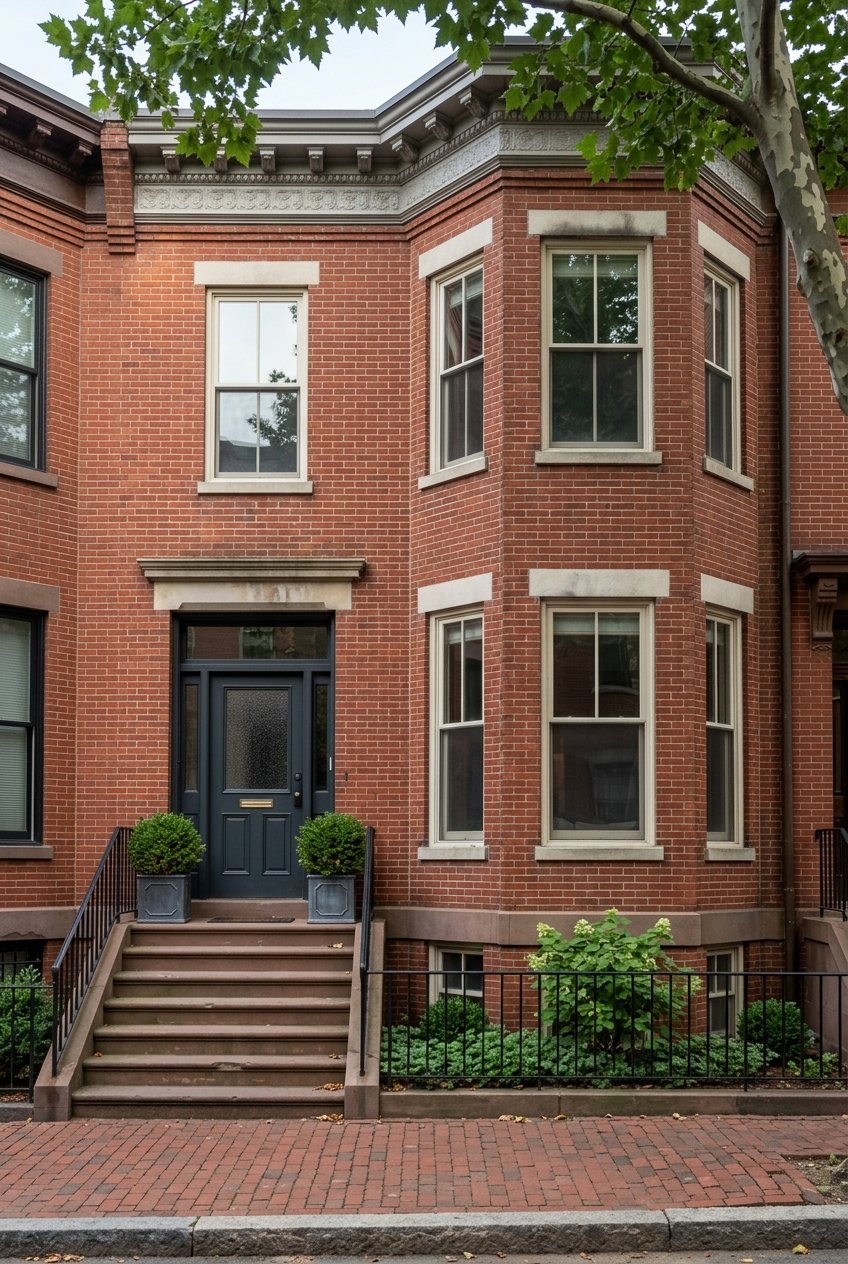
Most homes here follow classic rowhouse patterns. You see narrow frontages, limited side clearance on many blocks, and strong architectural consistency from one house to the next. In practical terms, that means gaining space often comes down to finding the right existing home or expanding in ways that work with the property’s historic form.
That helps explain why so many move-up buyers want to remain in the neighborhood. Over the three months ending May 2026, Redfin reported a median Capitol Hill sale price of $925,114, median days on market of 41, and a sale-to-list ratio of 100.6 percent. With walkability and daily convenience still such a draw, many homeowners decide it makes more sense to stay on the Hill and solve for space.
Best ways to get more space
For most buyers, the simplest path is buying a larger existing home. On Capitol Hill, that usually works better than assuming you can create major square footage later. The most promising options are often homes that already have a layout, lot pattern, or addition that gives you more flexibility from day one.
Look for larger-lot advantages
Not every block offers the same upsizing potential. Homes that stand out often include:
- End-unit rowhouses
- Semi-detached homes
- Properties with existing rear additions
- Houses with wider lot patterns
- Homes with meaningful side yards or side gardens
Capitol Hill Restoration Society materials note that side yards of about 3 to 10 feet are common in the historic district, while some houses have side gardens 20 feet or more wide. That extra outdoor width can improve light, air, access, storage, and everyday functionality, which can make a home live larger even before you renovate.
Expand your search within the Hill
If you are flexible about exactly where you land, your options may widen. The broader Capitol Hill planning area covers 3.1 square miles east of the U.S. Capitol, and the housing stock becomes more varied as you move farther east and south within the Hill. That does not mean every block suddenly offers a much larger footprint, but it can increase the pool of homes worth considering.
This is where hyper-local guidance matters. Two homes with similar bedroom counts can feel completely different based on lot shape, rear access, side yard space, and how the house sits on the block.
Why site configuration matters
Square footage matters, but on Capitol Hill, configuration can matter just as much. A home that looks only slightly larger on paper may function much better if the outdoor space is more usable.
Check alley access early
About half of the squares in the Capitol Hill Historic District do not have alleys, according to CHRS. That small detail can have a big impact on how a home works day to day. Rear access can affect storage, trash movement, garden use, and how practical a future rear addition might be.
If outdoor space is a priority, do not stop at the floor plan. Pay attention to whether the property has alley access, a protected rear garden, or a side yard that gives you another path in and out.
Think beyond bedroom count
A house with a usable rear garden or side yard can feel more spacious than a slightly bigger house with awkward outdoor space. Capitol Hill’s planted front strips, side yards, and rear gardens are part of the neighborhood’s historic pattern, and they shape how homes feel every day.
It is also worth remembering that front yards are not automatically future parking pads or hardscape opportunities. CHRS notes that driveways and parking pads have been denied in some preservation rulings, so outdoor space should be evaluated for how you can actually use it, not what you assume it could become.
Renovating instead of moving
If you love your current location, renovation may be the right answer. On Capitol Hill, though, successful expansion is usually a preservation and permitting question as much as a design question.
Rear additions are usually the best fit
DC’s historic preservation guidance is clear that rear additions are the most common and workable way to expand a historic rowhouse. A new rear addition may be acceptable if it is not visible from a public street or alley. If it is visible, it needs to remain compatible with the building’s rear elevation.
By contrast, new front additions are generally discouraged because they alter the character-defining facade. If your goal is more space without unnecessary friction, rear expansion is usually the first place to look.
Rooftop work is more limited
Roof decks and rooftop additions can be possible, but they face tighter constraints. DC guidance says a rooftop addition should be set back far enough behind the existing cornice to stay hidden from pedestrians on the street. If that is not possible, screening and design compatibility become much more important.
Visible roof decks typically require review by the Historic Preservation Review Board, while decks hidden from street views can often be reviewed administratively by the Historic Preservation Office. In other words, a roof-level idea may work, but it is rarely something to assume without early review.
What the review process means for timing
If you are planning to renovate, timing matters. DC’s Office of Planning says most building and site construction requires a permit from the Department of Buildings, and historic properties need preservation clearance as part of that same permit process.
Major additions and larger projects typically go to HPRB, with a common review window of 30 to 60 days. Minor work can often be handled by HPO the same day or within about five business days for small additions, garages, sheds, or visibility tests. DC also notes that more than 95 percent of preservation-review permit applications are handled through HPO’s expedited process.
The practical takeaway is simple. Before you invest heavily in final plans, it helps to know whether your project is likely to be a straightforward rear addition, a more complex rooftop proposal, or a smaller update that may qualify for administrative review.
Buying bigger versus renovating
If you are deciding between moving and staying put, this side-by-side view can help.
| Option | Best when | Main advantage | Main watchout |
|---|---|---|---|
| Buy a larger existing home | You need more space soon | Faster path to usable square footage | Competitive market and limited inventory |
| Buy a home with addition potential | You can phase your plans | Better location match with future flexibility | Permit and preservation review timing |
| Renovate your current home | You love your block and layout basics | You keep your location and community ties | Design limits tied to historic rules |
Planning the move-up timeline
Even when the right house appears, the logistics can be tricky. Upsizing on Capitol Hill is often about sequencing your sale and purchase carefully, not just winning the next home.
Selling first is the usual path
The Consumer Financial Protection Bureau says homeowners who are moving usually try to sell their current home before buying another one. That route can reduce financial strain and make it easier to understand your budget.
In a market where the median days on market was 41 and roughly a third of homes sold above list price according to the research provided, planning ahead matters. You do not want to assume your sale and purchase will line up perfectly without a strategy.
Buying before selling may need overlap planning
If you need to buy before you sell, short-term financing may be part of the conversation. The research report notes that Fannie Mae defines a bridge or swing loan as a short-term loan secured by your current principal residence, and the lender must document your ability to carry the current home, the new home, and the bridge loan at the same time.
That means your move-up plan should account for possible overlap. A strong strategy can help you think through timing, contingency options, and how to position both sides of the transaction with less stress.
What to prioritize when touring homes
When you are looking for more room on Capitol Hill, focus on the features that actually change how a home lives.
Your Capitol Hill upsizing checklist
- Compare lot configuration, not just interior square footage
- Ask whether the block has alley access
- Notice side yards, side gardens, and rear garden usability
- Check whether a rear addition already exists
- Look at how much natural light the site allows
- Consider whether the home’s layout works now, not just after renovation
- Treat rooftop expansion as a possibility to verify, not a guarantee
- Factor permitting and preservation review into your timeline
A well-chosen home can solve for space in ways that are easy to miss online. Sometimes the winning move is not the house with the biggest numbers. It is the one with the best combination of layout, outdoor function, and realistic future flexibility.
Staying on the Hill with a smarter strategy
Upsizing on Capitol Hill usually is not about finding something brand new. It is about understanding the existing housing fabric, identifying which properties truly offer more room, and knowing when renovation is realistic versus when a move makes more sense.
That is where strong local guidance can make a real difference. If you want help comparing homes, evaluating site potential, or building a sale-and-purchase plan that fits your timing, the Rebecca Weiner Group can help you move with clarity and confidence.
FAQs
What is the most common way to add space to a Capitol Hill rowhouse?
- A rear addition is usually the most workable option, because DC preservation guidance generally favors rear additions over front-facing changes.
Do alleys matter when upsizing on Capitol Hill?
- Yes. Alley access can improve rear entry, storage, trash movement, and garden function, and about half of Capitol Hill historic district squares do not have alleys.
Can you add a rooftop level or roof deck on Capitol Hill?
- Sometimes, but rooftop work is more constrained and often depends on whether it can be set back or hidden from street view and whether it passes preservation review.
Is it easier to buy a bigger home than renovate on Capitol Hill?
- For many homeowners, yes. Buying a larger existing house is often the most straightforward way to gain space in a built-out historic neighborhood.
Should you sell your Capitol Hill home before buying a larger one?
- Selling first is the usual sequence, but some buyers use short-term overlap financing, so the right plan depends on your budget, timing, and risk tolerance.
